
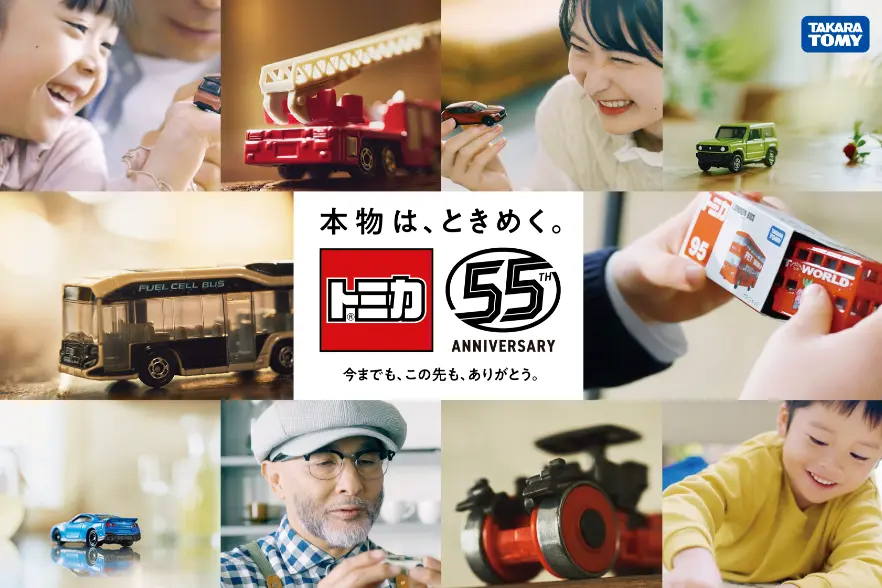

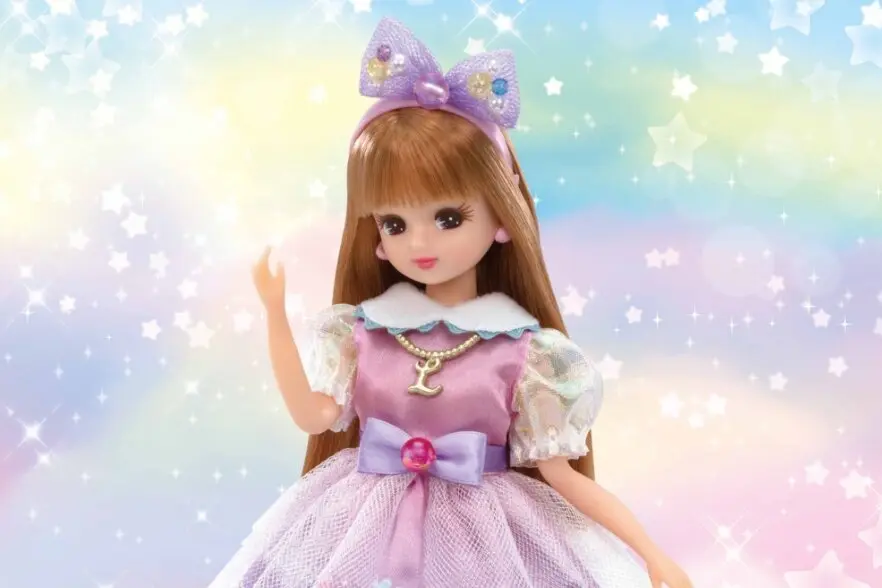

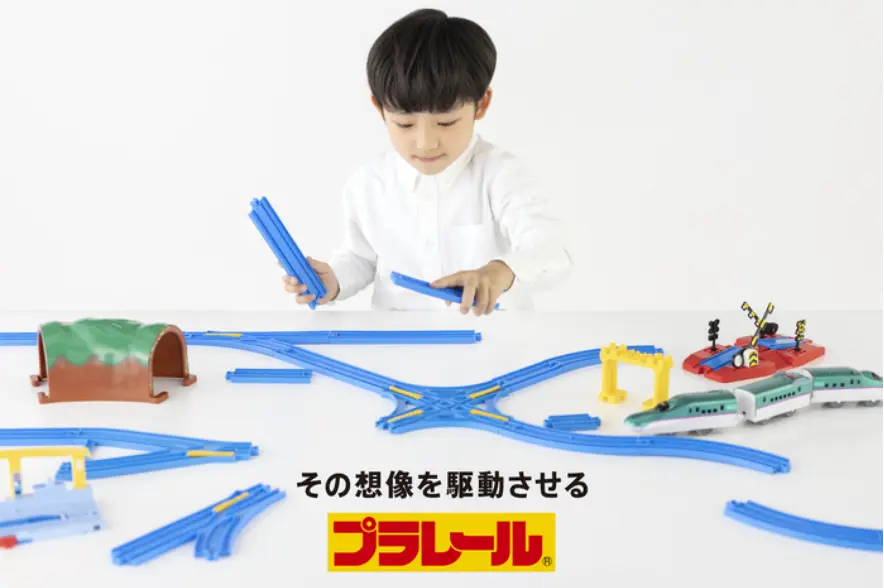











Our Policy and Approach
The TOMY Group has identified “responding to climate change” and “promoting eco-conscious package/product designs” as materiality to fulfill its Sustainability Vision 2030, “A creator of quality Asobi that promotes the sustainable well-being of society.” We are advancing initiatives across our entire Group value chain toward “coexisting with the global environment.”
We recognize that making sure we pass on sustainable local communities and global environments to future generations in which children can smile and enjoy playing with toys is a critical issue for the TOMY Group. We have set “We will be considerate of resources and the natural environment” as part of ONE TOMY's Promise, which outlines specific actions that all employees of the TOMY Group should uphold. In accordance with our TOMY Group Environmental Policy, we are working to reduce the environmental impact of our business activities, engage in environmental conservation activities, plan and develop environmentally conscious products such as Eco Toys. Through these efforts, we support next-generation education initiatives that raise awareness among children about green purchasing.
In recent years, addressing petroleum-based plastics has become a growing concern. The TOMY Group recognizes this as an important challenge in reducing environmental impact and realizing a sustainable society.
Plastic's inherent properties of being lightweight, durable, and safe, combined with its freedom in coloring and molding, expand the possibilities for Asobi. Therefore, plastic is an indispensable material for making toys.
However, it has been pointed out that excessive use and improper disposal of plastics cause serious impacts on marine and land ecosystems.
The TOMY Group is advancing initiatives aimed at realizing a resource-recycling society through reducing single-use plastics in packaging materials, continuous efforts in researching and conducting verification tests on sustainable materials for products, and reusing and properly processing waste, and will disclose progress going forward.
The TOMY Group's business activities depend on and impact nature in diverse ways, including the use of various resources such as petroleum-based plastics and product planning inspired by nature. Therefore, we recognize that our relationship with natural capital, such as water resources, soil, and ecosystems, is a critical issue for our Group.
Accordingly, with the aim of clarifying the relationship between the TOMY Group's business and natural capital, we have identified our dependencies and impacts on nature within our business and analyzed and evaluated the associated risks and opportunities based on the framework recommended by the Taskforce on Nature-related Financial Disclosures (TNFD).
Going forward, we will continue to advance initiatives aimed at realizing a resource-recycling society. We will also strive to grasp risks and opportunities related to natural capital and achieve disclosure aligned with TNFD recommendations.
Guiding Policy
We advance initiatives based on the TOMY Group Environmental Policy.

Governance
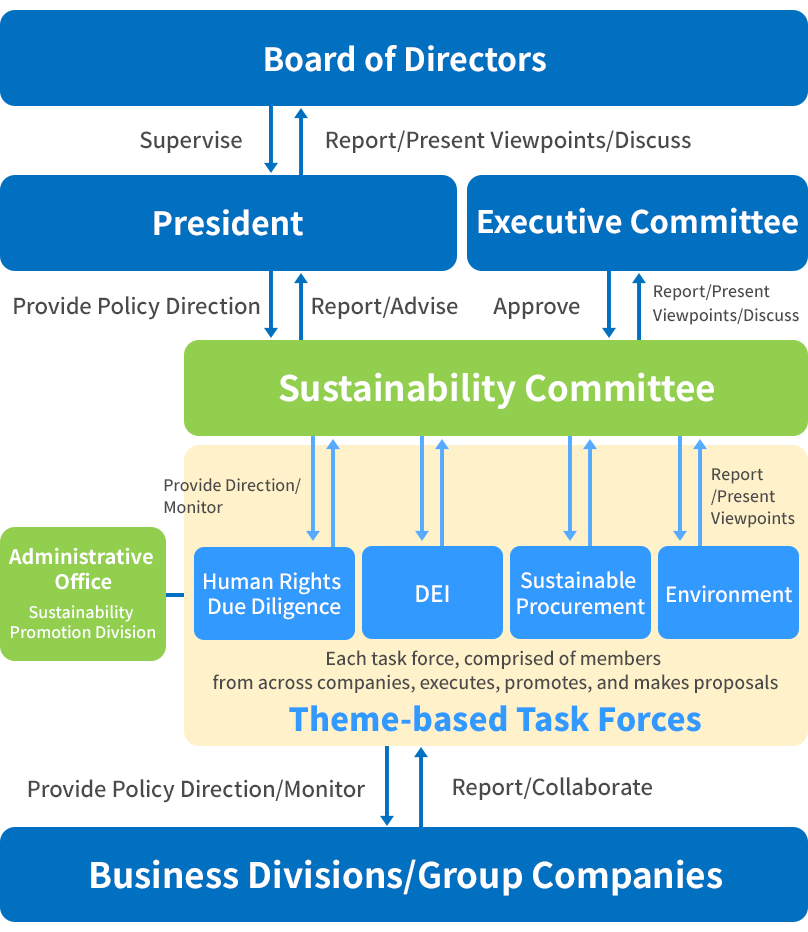
In July 2024, the TOMY Group established the Sustainability Committee as an advisory body to the president to carry out initiatives for sustainability issues, including responding to natural capital, with the intent of more actively promoting sustainability management.
The Sustainability Committee comprehensively grasps the Group’s sustainability initiatives and deliberates on the course of action for issues and endeavors based on diverse and wide-ranging viewpoints.
For themes within the mid-term sustainability targets and KPIs in particular need of cross-departmental initiatives, theme-based task forces headed by executive officers and comprised of diverse members from across the Group are established under the supervision of the Sustainability Committee. These task forces are responsible for executing, promoting, and newly proposing initiatives.
The progress of the theme-based task forces is reported on at the Sustainability Committee meetings held twice a year, and initiatives are strengthened through direction and monitoring by the Sustainability Committee.
The contents of discussions held during the Sustainability Committee meetings are reported on and viewpoints presented as necessary during board and Executive Committee.
Natural capital issues are discussed and promoted by the Environment Task Force, while human rights-related issues by the Human Rights Due Diligence Task Force.

Strategy
Procedure

1. Overall Summary: Review Process for Identifying and Evaluating Natural Capital Issues
(Dependencies, Impacts, Risks and Opportunities)
We conducted an analysis using the LEAP approach to clarify the relationship between the TOMY Group's business and natural capital.
Locate / Evaluate
Understanding Dependencies and Impacts on Natural Capital Across All Businesses
Identify dependencies and impacts on natural capital across all businesses using ENCORE*1
Analysis of Natural Capital Risks at Manufacturing Bases for Major Brands
Use Aqueduct*2 and IBAT*3 to analyze water-related risks and biodiversity risks at each manufacturing base for TOMICA, PLARAIL, and LICCA, the Group's long-selling brands beloved across generations
- *1 ENCORE:A tool for visualizing how economies depend on and potentially impact nature, and how environmental changes create business risks.
- *2 Aqueduct:A tool for evaluating water-related risks for each region globally from the perspectives of physical (quantity/quality), regulatory, and reputational risks.
- *3 IBAT:A geospatial data tool providing access to databases such as the IUCN Red List, protected areas, and Key Biodiversity Areas (KBAs).

Assess
Gathering Information on Risks and Opportunities
Conduct a study session on natural capital for Group officers to identify risks and opportunities
Hold workshops with the cross-departmental Environment Task Force, comprised of members from business and corporate staff divisions, to generate ideas regarding opportunities
Identifying Risks and Opportunities
Identify risks based on results such as the dependency and impact heatmap created from ENCORE analysis results
Identify opportunities related to natural capital
Setting and Evaluating Priority Bases for Major Brands
Set priority bases in light of past natural capital risk incidents, transaction status, etc.
Conduct on-site surveys and interviews at priority bases to evaluate natural capital risks
Prepare
Measures for Responding to Risks and Opportunities
Based on the content in Assess, organize the TOMY Group's measures for responding to risks and opportunities, focusing primarily on initiatives currently underway
Major Initiatives for Natural Capital
Organize the initiatives currently underway, linking them to the identified risks and opportunities
Future Initiatives
Consider initiative policies for management that further considers natural capital going forward
2. Understanding Dependencies and Impacts on Natural Capital Across All Businesses
We used ENCORE to investigate TOMY Group's dependencies and impact on natural capital across all businesses and the value chain.
The ENCORE survey results revealed our dependencies and impacts on natural capital. Given the nature of the Group's business, which heavily utilizes plastic as a raw material, we recognized the significant impact of water pollution caused by plastic waste throughout the entire value chain. We also found that our own business activities depend on cultural services (art), such as product planning inspired by nature.
Heatmap for Dependencies and Impacts on Natural Capital
Very High
High
Middle
Low / Very Low
| Dependencies | Impacts | |||||||||||||||
| Cultural services | Provisioning services | Regulating and maintenance services | ||||||||||||||
|
Natural |
Art |
Biomass |
Freshwater |
Flood |
Climate |
Rainfall |
Storm |
Water |
Water |
Greenhouse |
Non-GHG |
Water and |
Solid |
Water |
||
| Furthest upstream (resources) |
Crude oil | M | H | H | L | M | VL | H | M | VH | L | L | ||||
| Plants | VH | H | H | VH | VH | H | H | VH | M | VH | H | H | H | |||
| Ore | VL | H | H | H | VH | M | H | VH | M | H | VH | H | M | |||
| Upstream (raw materials) |
Plastic/rubber | M | M | VL | M | M | M | M | M | M | VH | M | H | |||
| Paper | M | VL | M | M | M | M | H | M | H | M | ||||||
| Metal | M | M | M | M | M | H | L | L | ||||||||
| Company business activities |
Planning/ development |
VH | VH | VL | VL | L | VL | VL | VL | VL | VL | VL | VL | L | L | |
|
Toy manufacturing (including consigned toy manufacturing) |
VH | M | M | VL | VL | M | M | M | M | H | M | L | M | |||
| Sales/ distribution |
M | M | VL | VL | M | M | M | M | L | L | M | |||||
| Licensing | L | VL | VL | VL | VL | VL | VL | VL | L | |||||||
| Downstream | Disposal/ recycling |
M | M | VL | M | L | M | M | H | M | H | M | M | |||
| Upstream/ downstream |
Transportation (land/air) |
VH | VL | M | M | VH | M | L | H | M | L | VL | M | |||
3. Identifying Risks and Opportunities
We identified natural capital risks and opportunities for the TOMY Group based on results such as the heatmap for dependencies and impacts created using ENCORE analysis results.
Identified Risks and Opportunities (as of October 2025)
Transition risks
- ・Responding to demands for reduced energy usage due to stricter regulations; increased distribution costs and procurement costs for alternative materials
- ・Decreased sales of non-compliant products due to heightened customer interest in environmentally conscious products
- ・Increased R&D and investment costs for developing new environmentally conscious products
- ・Damaged brand image due to ecosystem degradation, such as excessive use or improper disposal of plastic at sales bases, or exceeding pollutant emission standards at manufacturing bases
Physical risks
- ・Production suspensions at our own facilities and upstream manufacturing bases in the supply chain, as well as distribution network suspensions, due to intensifying natural disasters
- ・Loss of in-store sales and event opportunities due to natural disasters or pandemics
- ・Increased procurement costs due to reduced raw material yields caused by climate change and water scarcity
Opportunities
- ・Development of environmentally conscious products and continuous creation of high-quality toys and Asobi loved across generations
- ・Product development reducing the use of petroleum-based plastics
- ・Gaining support and understanding for the Group's environmental consciousness through Eco Toys (using recycled materials, reducing raw materials, etc.) and next-generation educational support (The SDGs GAME OF LIFE, parent-child eco-classes, etc.)
- ・Re-evaluation of initiatives and enhanced corporate brand due to heightened sustainability awareness among customers and business partners
- ・Expanded recycling initiatives for parts and waste materials in manufacturing
- ・Enhanced engagement through collaboration with local communities
4. Responding to Natural Capital Issues
The TNFD requires analysis of physical risks related to water resources and the importance of biodiversity to identify and evaluate natural capital issues (dependencies, impacts, risks, and opportunities).
In addition, from among the physical risks identified for the TOMY Group, we have identified risks such as production suspensions due to natural disasters, loss of distribution networks and in-store sales opportunities, and increased raw material procurement costs due to water scarcity. Therefore, we conducted risk analysis using Aqueduct and IBAT for manufacturing bases of TOMICA, PLARAIL, and LICCA, which are long-selling products representing our major brands.

Based on these results, we selected six bases within our Group with high dependency and impact, as well as high water-related risks, as priority bases. With regard to biodiversity risks, after obtaining analysis results from IBAT and information on proximity to protected areas, we have confirmed that no protected areas exist within a 5km radius of the bases.
Aqueduct Analysis Results for Priority Bases with Water-related Risks
| Base | Value chain | Location | Water-related risk | |||
|---|---|---|---|---|---|---|
| River flooding | Coastal flooding | Drought * | Wastewater | |||
| A | Company business activities |
Thailand | Medium - High | Medium - High | Medium - High | High |
| B | Upstream | Vietnam | Extremely High | Extremely High | Medium - High | Extremely High |
| C | Extremely High | Extremely High | Medium - High | Extremely High | ||
| D | Extremely High | Extremely High | Medium - High | Extremely High | ||
| E | Extremely High | Extremely High | Medium - High | Extremely High | ||
| F | High | Extremely High | Medium | Extremely High | ||
- * Based on Aqueduct's evaluation criteria; drought risk is rated on a 5-point scale (High/Medium-high/Medium/Low-medium/Low), while other items use a 5-point scale (Extremely High/High/Medium-high/Low-medium/Low).
Results of Interviews with Priority Bases and Evaluation
We conducted interviews regarding water-related risks at priority bases. For these interviews, we confirmed past incidents and countermeasures for items determined to be high risk by Aqueduct.
Company Business Activities (Thailand)
We confirmed instances where operations were suspended due to flooding caused by typhoons in 2011. However, countermeasures to prepare for flooding have since been implemented across the entire industrial zone, including the installation of 5-meter-high water barriers and drainage pumps, as well as a dam monitoring system during the rainy season. As a result, we confirmed that there has been no flood damage since 2011.
In addition, we confirmed that there have been no occurrences of drought or water outages in the past, and that wastewater treatment is also being managed appropriately.
Upstream Supply Chain (Vietnam)
We confirmed instances where operations were suspended at bases B, C, D, and F due to flooding caused by typhoons in 2024. We confirmed the reinforcement of physical countermeasures such as sandbags as subsequent countermeasures to prevent flooding. There were no instances of operational suspension at base E.
In addition, we confirmed that there have been no occurrences of drought or water outages in the past, and that wastewater treatment is also being managed appropriately.
Based on the above results, although we confirmed instances where operations had been suspended due to flooding, we assessed the risk as low since appropriate countermeasures had been subsequently implemented.
In light of the increasing severity of natural disasters, we will continuously review countermeasures and conduct surveys at other bases as necessary going forward.
5. Measures for Responding to Risks and Opportunities
Based on the content in Assess, we have organized the TOMY Group's measures for responding to risks and opportunities, focusing primarily on initiatives currently underway.
Measures for Responding to Risks and Opportunities
| Category | Natural capital risk/opportunity | Response measure | |
|---|---|---|---|
| Transition risks | Policy risks |
|
|
| Market risks |
|
|
|
| Technology risks |
|
|
|
| Reputation risks |
|
|
|
| Physical risks | Acute risks |
|
|
|
|
||
| Chronic risks |
|
|
|
| Opportunities | Market |
|
|
| Products and services |
|
|
|
| Reputation and capital |
|
|
|
|
|
||
| Sustainable use of natural resources |
|
||
| Protection, restoration, and regeneration of ecosystems |
|
||
6. Major Natural Capital Initiatives
These are initiatives currently underway, linked to the identified risks and opportunities.
Promoting Eco-conscious Package/Product Designs
● Eco Toys (development of environmentally conscious products)
The TOMY Group makes effective use of resources and strives to develop products that are considerate of the environment. “Eco Toys” are products that have cleared one or more of the ten 10 environmentally conscious “Eco Toy Standards” established by the Group-wide Eco Toys Committee with advice from third-party institutions. The “Eco Toys” mark is displayed on packaging to communicate environmentally friendly efforts to customers in an easily understandable way to spread green procurement initiatives in the toy market.

● Using Forest Certified Paper for Packaging
The TOMY Group is expanding its product lineup using forest certified paper for packaging, including for TOMICA, PLARAIL, and LICCA. Forest certified paper is paper made from raw materials such as wood produced from properly managed certified forests, or recycled paper certified by a third party. Choosing certified paper leads to environmental conservation, such as the protection of forest resources, and the effective use of paper resources.
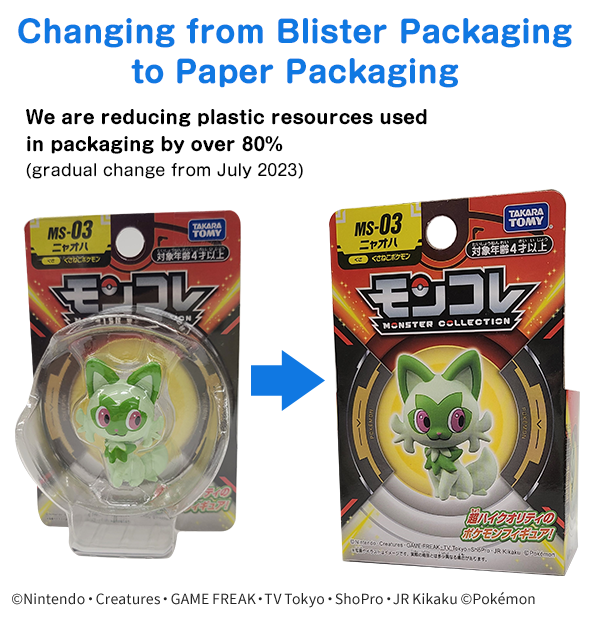
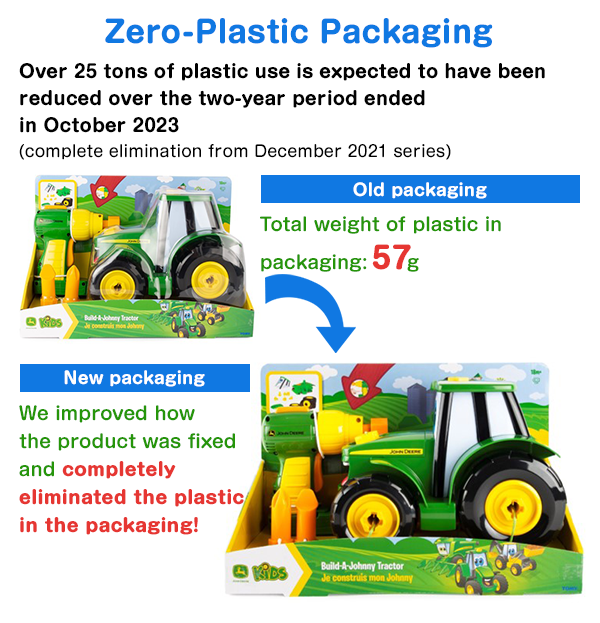
● Simplifying Packaging to Reduce Plastic Use
We are reducing the use of disposable plastic by eliminating the plastic (PET material) used in packaging for some products in a way that does not detract from the appeal of the product.
● Easy-to-Remove, Easy-to-Sort Packaging
We have started using staple guns instead of bands to fix our Transformers and other products into their packaging. The staples can be easily cut and removed at home with scissors.
● PVC-free
We strive to use non-polyvinyl chloride (PVC) packaging materials to minimize the impact on the environment when the waste packaging is incinerated.
● Resource-saving GACHA Capsules
With the aim of reducing the amount of plastic resin used in our GACHA capsules (sold by T-ARTS (In Japanese)), we have reduced the size of the capsules to match the size of smaller product items. Starting in 2024, we have developed new lightweight GACHA capsules that reduce the amount of plastic resin used even in large capsules, and we plan to adopt them in phases from 2026. In addition, we are promoting various initiatives, such as selling "capsule-less products" that incorporate a capsule as part of the product design so that capsules would not be discarded as waste.

Reducing Our Environmental Footprint
● Reducing environmental impact during the manufacturing process
To reduce environmental impacts within our business activities, the TOMY Group strives to utilize waste generated from business activities as resources whenever possible, while, of course, observing the law and disposing of materials appropriately.
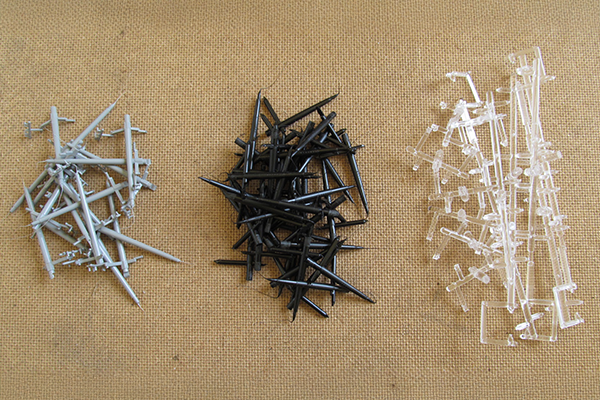
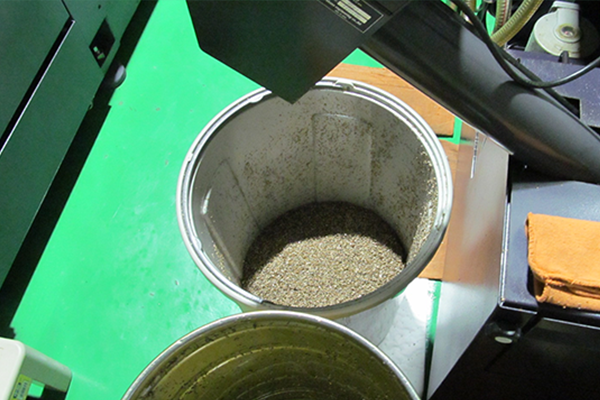
TOMY TEC, which owns a factory in Japan, recycles some of the plastic runners discharged during plastic molding. It also sorts metal scraps generated from molding and wheel machining, and then sells those scraps to recycling companies to reduce overall waste.
● Reducing environmental impact during distribution
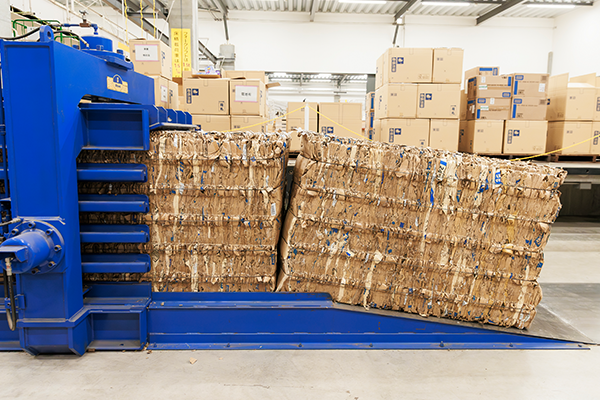
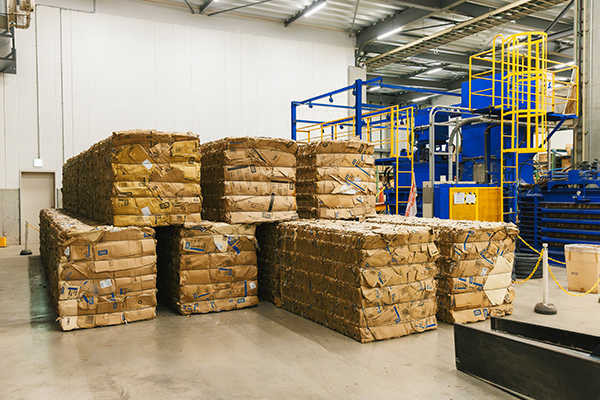
While we promote the use of paper resources to reduce plastic, we are also working to reduce the use of cardboard and paper resources in distribution from the perspective of protecting forest resources. We use 100% recycled paper for cushioning materials and, for some shipments, use Oricon (reusable, foldable containers) instead of cardboard boxes.
Social Contribution
● Activities supporting next-generation education for children who will shape the future
TOMY Company conducts visiting classes across Japan for elementary and junior high school students that use toys as teaching materials. Employees themselves serve as instructors, focusing on themes like the environment and building a society of coexistence. We offer programs that foster a spirit of contributing to the community and encourage students to take action by making them view environmental issues as their own responsibility through our Eco Toys, which are thoughtfully designed so that they can be made and played with in an eco-friendly manner, and our Group’s environmental initiatives.

©1968,2025 Hasbro. All Rights Reserved.

● Environmental conservation activities
TOMY (Thailand), our Group's toy manufacturing base, collaborates with local organizations to carry out activities such as crab conservation, tree planting, and installing bird nesting boxes. In addition, we participate in the Katsushika City Biodiversity Promotion Council in collaboration with Katsushika Ward, where our head office is located. Through these initiatives, we aim to contribute to local environmental conservation and strengthen community engagement.


7. Future Initiatives
Within the TOMY Group’s mid-term sustainability targets and KPIs (FY2024-2026), we are aiming to achieve a decarbonized society by reducing Scope 1+2 CO2 emissions, switching to renewable energy, reducing waste (appropriate inventory control, promotion of the 3Rs, reassessment of containers and packaging), and reducing petroleum-based plastics in products while promoting recycling. We have established material research, demonstration experiments, and progress disclosure, and will continue to advance these initiatives.
We are promoting efforts to achieve these targets and KPIs through two subcommittees (Climate Change and Eco-design) within the cross-departmental Environment Task Force overseen by the Sustainability Committee.
Environment Task Force
- ● Climate Change SubcommitteeInitiatives for Scope 1+2 CO2 reduction, switch to renewable energy, and waste reduction
- ● Eco-design SubcommitteeSetting and implementing internal environmental targets to reduce petroleum-based plastics in packaging materials; ongoing research into environmentally conscious materials for products

Risk and Impact Management
The TOMY Group reviews natural capital risks and impacts through the cross-departmental Environment Task Force and Human Rights Due Diligence Task Force, both overseen by the Sustainability Committee. We will develop strategies and share them with business divisions and Group companies.
*See task forces in the Promotion Structure diagram.The Group has been striving to prevent and minimize risks in the event of an emergency with measures such as engaging in environmental initiatives through our business and establishing a Business Continuity Plan.

Indicators and Targets
The TOMY Group has identified “responding to climate change” and “promoting eco-conscious package/product designs” as materiality, setting mid-term sustainability targets and KPIs (FY2024-2026) to promote initiatives.
Medium-term Sustainability Targets/KPIs(FY2024-2026)
Coexisting with
the global environment
| Materialities |
|---|
|
|
| Medium-term Sustainability Targets/KPIs (FY2024-2026) |
|
 Responding to climate change
| Materialities |
|---|
|
|
| Medium-term Sustainability Targets/KPIs (FY2024-2026) |
|
 Promoting eco-conscious package/product designs
| Pillar 4Coexisting with the global environment | Materialities | Medium-term Sustainability Targets/KPIs(FY2024-2026) |
|---|---|---|
|
|
|
|
|
|
|
We aim to build a circular economy for toys and Asobi by promoting response to climate change and the eco-conscious design of products and packaging throughout the entire value chain of our Group in order to protect an environment where children can play with a smile even 100 years from now.
Reference initiative
The TOMY Group indicated its participation for the United Nations Global Compact, the international framework for the global community to achieve sustainable growth. The Group will promote initiatives to achieve the 10 principles of the Global Compact that cover the areas of human rights, labour, the environment and anti-corruption.
The 10 Principles of United Nations Global Compact
| Human Rights |
Principle 1: Businesses should support and respect the protection of internationally proclaimed human rights; and Principle 2: make sure that they are not complicit in human rights abuses. |
| Labour |
Principle 3: Businesses should uphold the freedom of association and the effective recognition of the right to collective bargaining; Principle 4: the elimination of all forms of forced and compulsory labour; Principle 5: the effective abolition of child labour; and Principle 6: the elimination of discrimination in respect of employment and occupation. |
| Environment |
Principle 7: Businesses should support a precautionary approach to environmental challenges; Principle 8: undertake initiatives to promote greater environmental responsibility; and Principle 9: encourage the development and diffusion of environmentally friendly technologies. |
| Anti-Corruption |
Principle 10: Businesses should work against corruption in all its forms, including extortion and bribery. |